Ingredients to Look For (and Avoid) if You Have Acne-Prone Skin

Brief Summary
The products you use every day may be impacting your breakouts
The right ingredients can help support clearer, healthier skin.
Understanding ingredient labels gives you more control over your skin.
If you have acne-prone skin, finding products that actually work can feel overwhelming. With so many skincare products claiming to be "clean," "natural," or "hydrating," it can be difficult to know which ingredients truly support your skin and which ones may be contributing to clogged pores.
Acne is complex and influenced by many factors, including hormones, genetics, stress, lifestyle, and your skincare routine. However, understanding the ingredients that come into contact with your skin every day can be an important step toward achieving clearer, healthier skin.
From acne-fighting ingredients to common pore-clogging ingredients found in everyday products, this guide will help you understand what your skin may need—and what it may need less of.
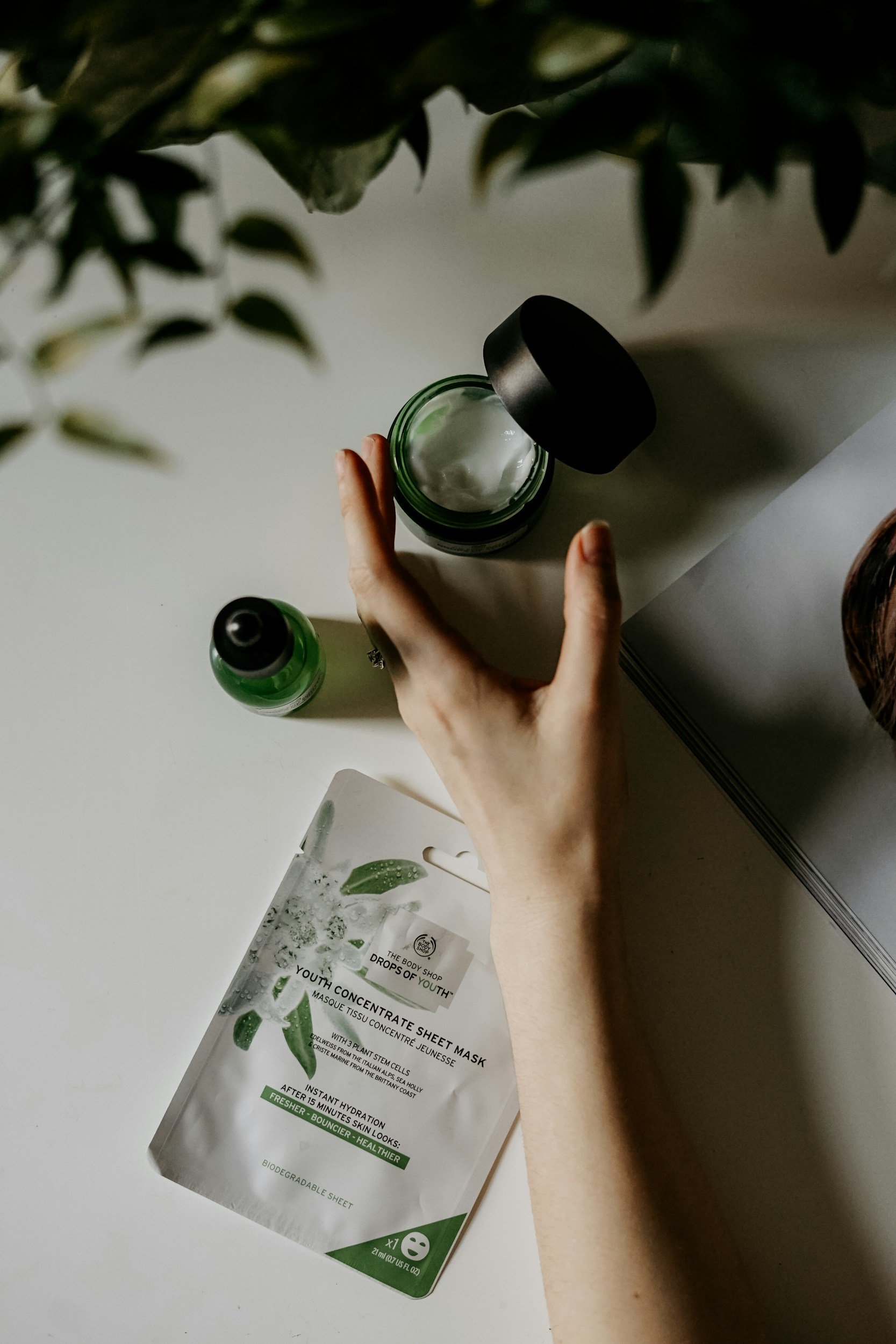
Ingredients to Look For in Acne-Prone Skin
When choosing products for acne-prone skin, focus on ingredients that support the skin barrier, regulate oil production, reduce inflammation, and encourage healthy skin turnover.
Salicylic Acid
Salicylic acid is one of the most well-known acne-fighting ingredients because it works inside the pore.
As a beta-hydroxy acid (BHA), salicylic acid helps dissolve excess oil and dead skin buildup that can contribute to congestion.
Benefits include:
Helps unclog pores
Reduces blackheads and whiteheads
Helps prevent future breakouts
Improves skin texture
Niacinamide
Niacinamide, also known as Vitamin B3, is a calming ingredient that supports healthier-looking skin.
Benefits include:
Helps regulate oil production
Reduces redness and inflammation
Supports the skin barrier
Helps improve uneven skin tone caused by past breakouts
Retinoids and Retinol
Retinoids help increase cellular turnover, helping prevent dead skin cells from building up inside pores.
Benefits include:
Helps reduce clogged pores
Supports smoother skin texture
Helps improve the appearance of acne scars
Encourages healthier skin renewal
Because retinoids are active ingredients, they should be introduced carefully and consistently.
Azelaic Acid
Azelaic acid is a powerful but gentle ingredient that is especially helpful for clients experiencing acne and discoloration.
Benefits include:
Helps calm inflammation
Supports clearer-looking skin
Helps improve post-acne marks
Supports a more even complexion
Sulfur
Sulfur has been used for years in acne treatments because of its ability to help absorb excess oil.
Benefits include:
Helps reduce active blemishes
Supports oily skin management
Helps calm acne flare-ups
Ingredients to Avoid if You Have Acne-Prone Skin
One of the biggest misconceptions in skincare is that every moisturizing or "natural" ingredient is automatically safe for acne-prone skin.
Certain ingredients are considered more likely to contribute to clogged pores. These are often referred to as comedogenic ingredients or pore-clogging ingredients.
This does not mean every person will react the same way, but acne-prone skin is often more sensitive to congestion-causing ingredients.
Common Pore-Clogging Ingredients to Watch For:
Oils & Butters
These ingredients are commonly found in moisturizers, body products, haircare, and makeup.
Watch for:
Coconut Oil
Coconut Butter
Cocoa Butter
Soybean Oil
Wheat Germ Oil
Cotton Seed Oil
Shea Butter
Algae & Seaweed Derivatives
These ingredients are often found in masks, moisturizers, and "natural" skincare products.
Watch for:
Algae Extract
Seaweed
Kelp
Carrageenan
Chlorella
Spirulina
Laminaria Extracts
Highly Comedogenic Esters
These ingredients are commonly used to create a silky, smooth texture in products.
Watch for:
Isopropyl Myristate
Isopropyl Palmitate
Ethylhexyl Palmitate
Octyl Palmitate
Myristyl Myristate
Decyl Oleate
Hidden Sources of Acne-Triggers You May Not Think About
Many people only evaluate their facial skincare products when looking for the cause of breakouts. However, acne-triggering ingredients may also be found in products that touch your skin every day.
Hair Products
Conditioners, oils, styling creams, and leave-in products can contribute to breakouts around the:
Hairline
Forehead
Temples
Back and shoulders
Makeup
Foundation, primers, concealers, and cream-based products may contain ingredients that contribute to congestion.
Laundry Products
Residue from detergents and fabric products can remain on:
Pillowcases
Towels
Clothing
Body Products
Body lotions, oils, and sunscreens can contribute to chest, shoulder, and back breakouts.
Why Reading Ingredient Labels Matters
Marketing can be confusing.
A product labeled:
Natural
Clean
Organic
Luxury
Hydrating
does not always mean it is acne-safe.
The most important step is learning how to read ingredient labels and understanding what your individual skin responds to.
Your skin is unique, and what works for one person may not work for another. A customized approach can help identify what ingredients support your skin and which ones may be causing frustration.

Click the image to download my free Pore-Clogging ingredient checklist to keep with you while shopping for skincare, makeup, haircare, and personal care products.
Conclusion
Clear skin is not about using the most products—it is about using the right products for your skin.
By choosing acne-supportive ingredients and avoiding common pore-clogging ingredients, you can create a skincare routine that works with your skin instead of against it.
If you are struggling with acne, professional guidance can help you understand your skin, identify triggers, and create a customized treatment plan designed for your goals.
At The Craft Skin Bar, acne care is about more than treating breakouts—it is about helping you feel confident and comfortable in your skin.
Healthy Skin Begins with
Intentional Choices.
Every ingredient matters — my goal is to help you create a skincare routine that works with your skin, not against it
Frequently Asked Questions
-
Common ingredients that may contribute to clogged pores include coconut oil, cocoa butter, algae extracts, carrageenan, isopropyl myristate, isopropyl palmitate, and certain heavy oils or esters. Not everyone reacts the same way, but these ingredients are worth paying attention to if you struggle with breakouts.
-
Some of the most beneficial acne-fighting ingredients include salicylic acid, niacinamide, retinoids, azelaic acid, and sulfur. These ingredients can help reduce congestion, inflammation, and improve overall skin clarity.
-
Yes. Hair products, makeup, and other products that touch your skin can contain ingredients that contribute to clogged pores. If you experience breakouts around your hairline, forehead, chest, or shoulders, reviewing all products—not just skincare—may help identify possible triggers.
